
Why Early Prevention Matters
Students face substance-related risks earlier than many adults realize. Exposure to alcohol, nicotine, vaping, marijuana, and other drugs can begin before high school, which is why prevention cannot wait until a problem appears. Schools are in a unique position to help students build the knowledge, skills, and confidence to make healthy choices before risky behaviors start.
The Michigan Model for Health™ gives schools a practical way to do that. With age-appropriate instruction from kindergarten through 12th grade, the curriculum helps students strengthen decision-making, understand consequences, resist social pressure, and develop lifelong health habits. Instead of relying on a single lesson or one-time message, schools can provide prevention education that builds over time and stays relevant as students grow.

Why School-Based Prevention Matters
School-based prevention reaches students where they learn, grow, and make daily decisions. It gives educators the opportunity to teach more than facts about substances. Effective prevention also helps students develop communication skills, build self-awareness, manage peer influence, and practice healthy decision-making in situations they may actually face.
A strong prevention program does more than warn students about risk. It helps students understand how choices affect their health, relationships, safety, and future. When prevention is taught consistently across grade levels, students are better prepared to recognize risky situations, respond with confidence, and support healthier school communities.
What Current Youth Substance Use Trends Show
Current data continue to show why this work matters. Nearly 1 in 5 adolescents ages 12 to 17 reported illicit drug use in the past year, with marijuana remaining the most commonly used substance. Nicotine vaping also remains one of the most prevalent substance use behaviors among teens, surpassing traditional cigarette smoking. Alcohol continues to be widely used among adolescents, with a significant share reporting past-month use despite legal age restrictions.
Research also shows that early substance use is strongly associated with a greater risk of later substance use disorder, which makes prevention before high school especially important. Although overall overdose deaths declined slightly in 2023, opioids continue to account for the majority of fatal overdoses, reinforcing the need for early prevention education before exposure risk increases.
The Michigan Model for Health™ Approach
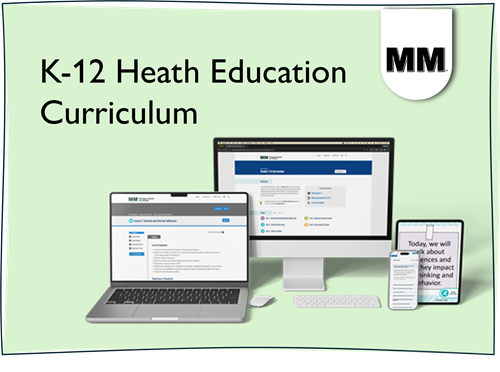
The Michigan Model for Health provides a comprehensive K-12 approach to substance misuse prevention designed for classroom use and built around skill development. Lessons are age-appropriate, easy to implement, and sequenced across grade bands so students can build on what they have already learned.
This approach helps schools move beyond awareness alone. Students learn how to identify influences on behavior, evaluate risks, apply refusal and decision-making skills, and make informed choices in real-world situations. The result is prevention education that is practical, relevant, and developmentally appropriate from elementary through high school.
What Students Learn at Each Level
Grades K-2
Building Awareness and Safe Habits
In the earliest grades, prevention begins with foundational health and safety skills. Students learn to identify safe and unsafe substances, understand basic rules for medicine and household products, and recognize trusted adults who can help them make safe choices. These early lessons support self-awareness, personal safety, and healthy routines.
Grades 3-5
Understanding Effects and Outside Influences
As students grow, they begin learning more about how substances can affect the body and mind. Instruction at this level helps students recognize outside influences, including media messages, peer behavior, and social pressure. Students also begin practicing communication and refusal skills that support healthy choices in everyday situations.
Grades 6-8
Strengthening Prevention Skills and Critical Thinking
Middle school is a key time for prevention. Students face increasing independence, new social pressures, and greater exposure to risky behaviors. Lessons at this level help students examine the short- and long-term effects of substance use, understand how substances affect brain and body health, and strengthen refusal, advocacy, and decision-making skills.
Grades 9-12
Applying Skills in Real-Life Situations
In high school, prevention instruction focuses on informed decision-making, personal responsibility, and the ability to navigate more complex situations. Students explore the impact of substance use on health, safety, relationships, and future goals. They also build skills for managing peer influence, supporting others, and making choices that align with their values and long-term well-being.
Support for Teachers and Families
The Michigan Model for Health™ is designed to support implementation, not add unnecessary burden. Educators have access to structured lessons, teaching tools, and classroom-ready resources that make prevention instruction easier to deliver with confidence. Materials support consistency, engagement, and skill practice across grade levels.
Families also play an important role in prevention. Resources that extend learning beyond the classroom can help reinforce healthy messages at home and strengthen the connection between school and family support. When students hear consistent guidance from both educators and caregivers, prevention efforts become more meaningful and more effective.
Help students build healthy choices before risk begins.
Request a free trial and see how your school can bring substance misuse prevention education to every grade level using Michigan Model for Health™.