The Michigan Model for HealthTM is a certified, evidence-based curriculum that supports student learning from grades K-12. It emphasizes comprehensive health education and prevention through a consistent, developmentally sequenced approach. Instruction focuses on building knowledge and skills that help students make positive health choices and develop healthy behaviors throughout their lives.
Program Evaluation & Evidence of Effectiveness
 The Michigan Model for HealthTM has undergone formal program evaluations that document positive effects on student outcomes and provide evidence of the curriculum’s effectiveness in health education and prevention. These evaluations demonstrated that the curriculum supports the development of key health skills, including decision making, communication, and self management, and strengthens student knowledge related to positive health choices and behaviors.
Based on these evaluation findings and its alignment with evidence based instructional practices, the MMH Program is certified by CASEL for social and emotional learning. This certification reflects the quality of the curriculum’s design and its demonstrated effectiveness in supporting student skill development.
The curriculum is also regularly reviewed to reflect current research, emerging student needs, and educator and district feedback, helping ensure continued relevance and effectiveness.
Schools implementing the MMH Program report improvements in:
- Stronger drug refusal skills (including opioid prevention)
- Less reported alcohol and tobacco use
- Better interpersonal communication skills
- Better self-management skills and less reported aggression
- Stronger social and emotional skills
- Improved pro-safety and physical activity and nutrition skills
Alignment to Health Education Standards
 The Michigan Model for HealthTM is designed to align with national and state health education standards through a skill based approach to instruction. Lessons emphasize essential health skills such as decision making, communication, goal setting, self management, and advocacy that are central to health education expectations.
The curriculum supports state requirements by providing developmentally appropriate instruction from grades K-12. Content is sequenced to help students build, practice, and strengthen skills over time while addressing required health topics at each grade level.
The Michigan Model for HealthTM also aligns with Whole Child and school wellness frameworks and is CASEL certified for social and emotional learning. This alignment supports consistency across grade levels, strengthens district instructional goals, and helps schools deliver high quality health education.
Whole Child Approach
 The Michigan Model for HealthTM uses a Whole Child approach that recognizes the strong connection between health, learning, and academic success. Instruction helps students develop the knowledge and skills needed to care for their bodies, manage emotions, build healthy relationships, and make responsible decisions.
When schools support both physical health and mental wellness, students are better prepared to engage in learning and succeed in school.
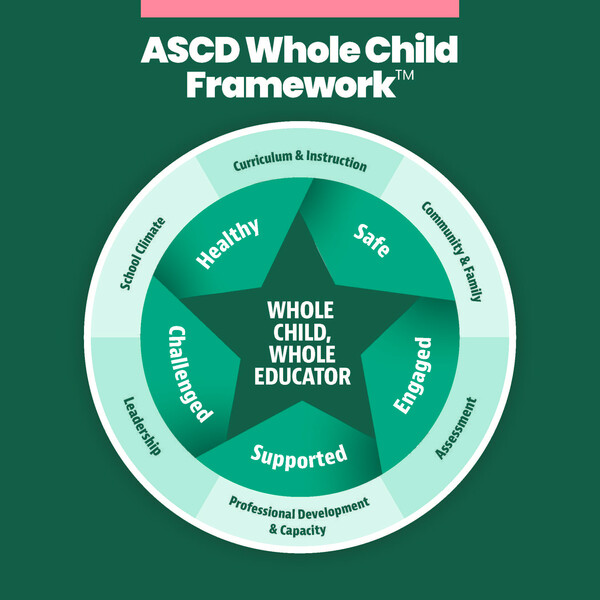
ASCD's Whole Child FrameworkTM approach to education transitions from a focus on narrowly defined academic achievement to one that promotes the long-term development and success of all children.
The ASCD Whole Child approach has five tenets:
- Healthy: Each student enters school healthy and learns about and practices a healthy lifestyle.
- Safe: Each student learns in an environment that is physically and emotionally safe for students and adults.
- Engaged: Each student is actively engaged in learning and is connected to the school and broader community.
- Supported: Each student has access to personalized learning and is supported by qualified, caring adults.
- Challenged: Each student is challenged academically and prepared for success in college or further study and for employment and participation in a global environment.
Mental Wellness Across Health Topics
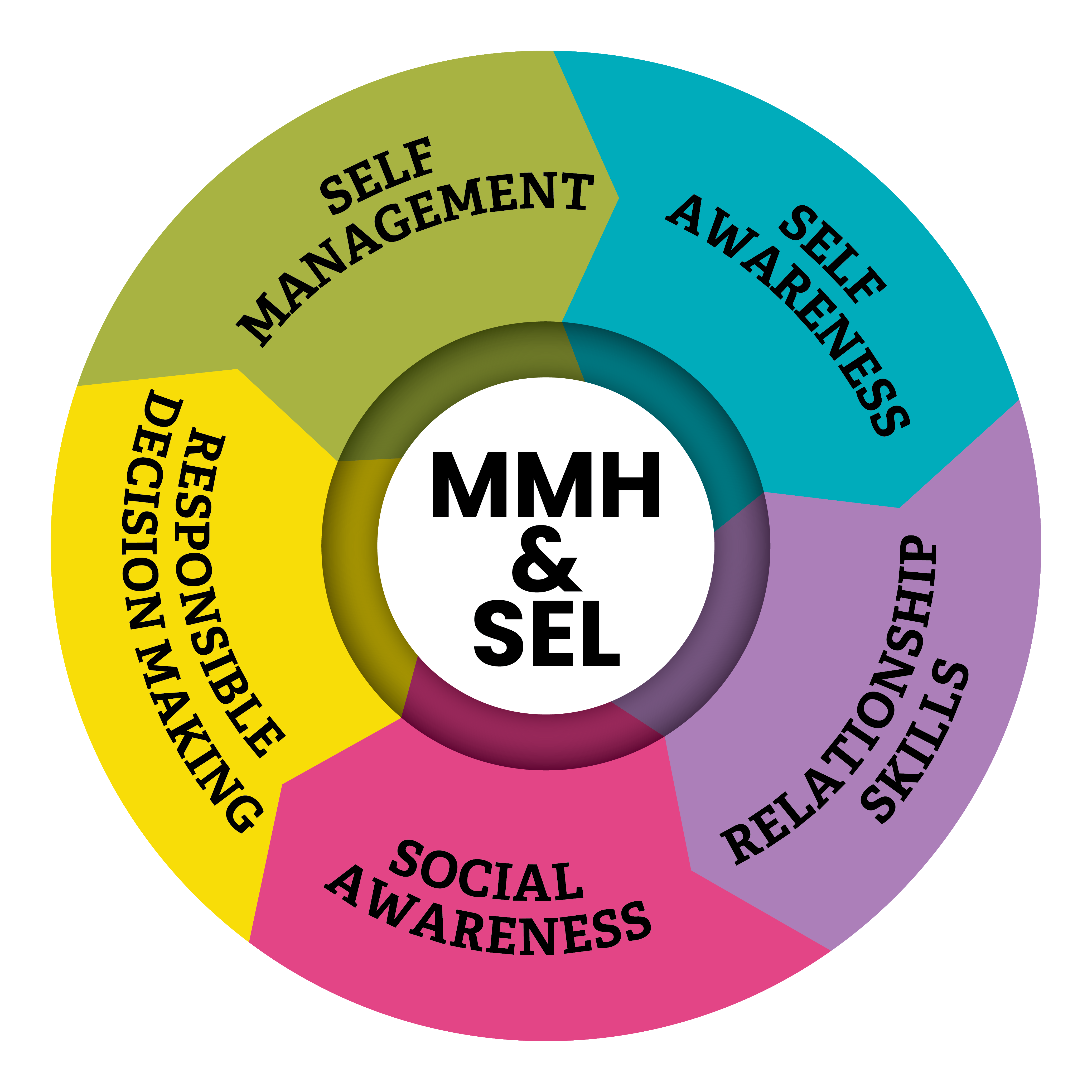 The Michigan Model for HealthTM uses mental wellness as a foundational instructional approach that is integrated throughout all health content areas. Mental wellness is embedded within instruction on nutrition, physical activity, alcohol, tobacco, and other drug prevention, personal safety, and HIV and other sexually transmitted infection prevention, rather than taught as a separate topic.
Across content areas, students build mental wellness skills such as self awareness, emotional regulation, stress management, communication, and decision making. These skills help students understand how thoughts, emotions, and behaviors influence daily health choices.
Within each topic, students are guided to:
- Recognize emotions and internal cues related to health decisions
- Practice coping and stress management strategies
- Communicate needs, boundaries, and concerns
- Set realistic personal goals
- Apply decision making skills to real life situations
By integrating mental wellness throughout instruction, students are better prepared to develop healthy habits, navigate peer and social influences, respond to unsafe situations, and make informed choices that support lifelong health. This approach supports the Whole Child by helping students apply skills across settings and throughout their lives.