
Helping Students Navigate Holiday Health Choices
2026-11-02 12:06:00 Curriculum Updates & Releases
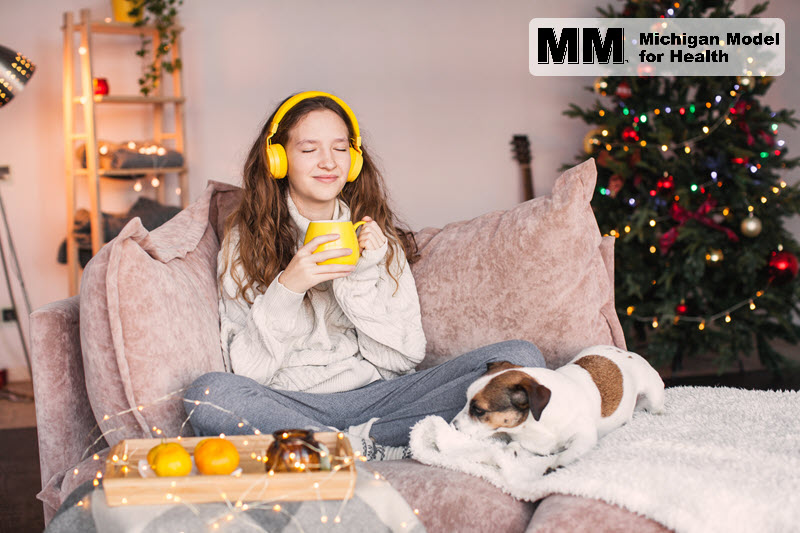
The holiday season brings family traditions, celebrations, special foods, and time with friends and family. It can also bring changes in routines, social pressures, and added stress.
For health educators, the holidays offer a natural opportunity to help students practice skills they can use to support their health and well-being.
Rather than labeling choices as simply “healthy” or “unhealthy,” educators can help students recognize influences, think through decisions, and explore ways to manage stress and maintain healthy routines.
Recognizing the Influences Around Us
Students' health choices are influenced by family, friends, culture, traditions, media, emotions, and their environment. During the holidays, changes in routines and social situations may make these influences more noticeable.
Health education can help students recognize how these factors affect their choices.
A question to explore with students: What influences my choices, and how can I make decisions that support my health and well-being?
Promoting Balanced Nutrition
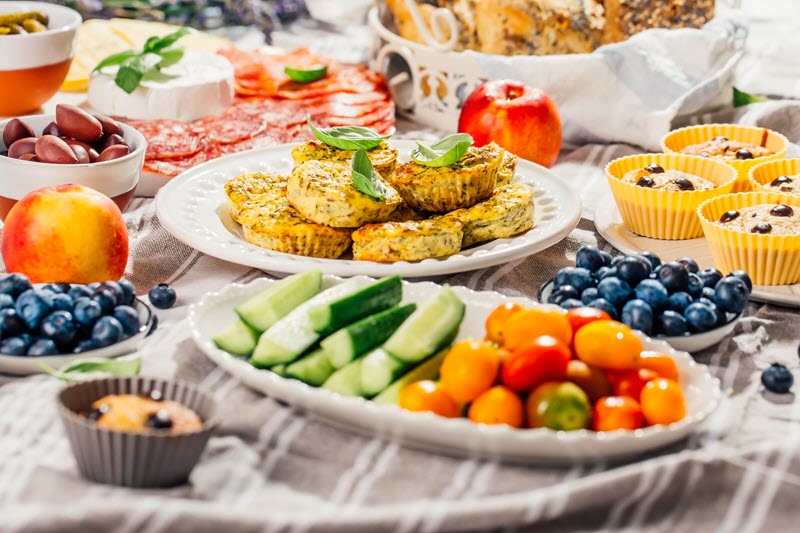
Holiday celebrations provide an opportunity to reinforce positive messages about balanced nutrition. Instead of labeling foods as “good” or “bad,” educators can help students understand that enjoying favorite and traditional foods can be part of an overall balanced eating pattern.
Students can explore ways to:
- Enjoy a variety of foods, including fruits, vegetables, whole grains, and protein foods
- Listen to hunger and fullness cues
- Stay hydrated
- Plan ahead for snacks that provide energy and nutrients
Snacks contribute to overall nutrition, and planning ahead can make nourishing options easier to access during busy days. The goal is to encourage a positive relationship with food while recognizing that overall eating patterns matter more than any single food or meal.
Supporting Healthy Routines
Holiday schedules may look different from students' usual routines. Educators can help students identify ways to care for themselves while allowing flexibility for celebrations an family activities.
Students might consider getting adequate sleep, finding enjoyable ways to be physically active, taking breaks from screens, making time to relax, and staying connected with supportive people.
Taking care of their health doesnt require a perfect routine.
Managing Holiday Stress
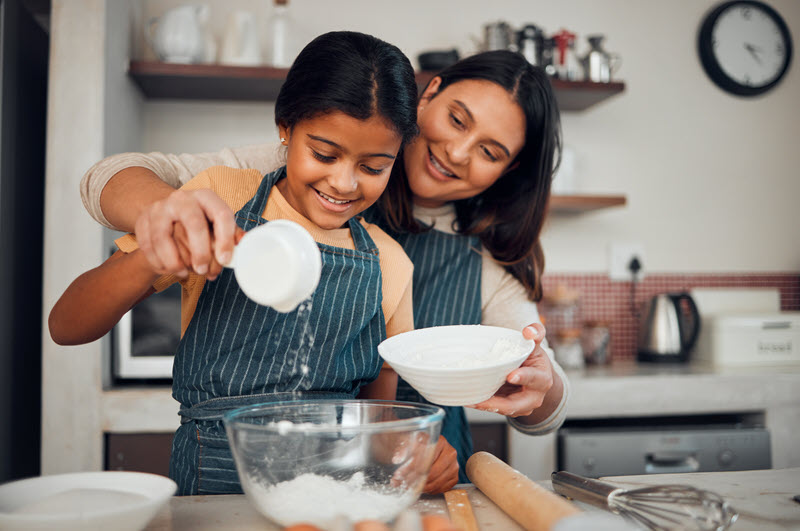
The holidays can bring stress related to family circumstances, social situations, changing routines, or expectations. Educators can help students identify stressors and practice strategies such as taking calming breaths, using positive self-talk, talking with a trusted adult, and making a plan for a stressful situation.
The goal isn't to eliminate stress. It's to help students recognize it and develop healthy ways to respond.
Designed With Teachers in Mind
The Michigan Model for Health is created to support teachers, not add to their workload. Activities and lessons are clearly written, classroom-ready, and aligned with health education standards.
Because the curriculum and materials are developmentally appropriate and thoughtfully sequenced, teachers can focus on building strong relationships with students while guiding them through important health learning experiences.
Skills for Every Season
Holiday scenarios give students opportunities to practice the health skills taught through the Michigan Model for Health™ and apply them to real-life situations. The examples below can be adapted to students' developmental levels.
DECISION-MAKING
- How Students Apply It: Students consider options, evaluate possible outcomes, and choose actions that support their health and well-being.
- Example: A student is invited to stay up late watching holiday movies but has an early morning activity planned. The student considers the options and decides how to balance fun with getting enough sleep.
ANALYZING INFLUENCES
- How Students Apply It: Students examine how people, media, traditions, and emotions affect health choices.
- Example: A student notices that social media posts about holiday treats or gifts create pressure to have a certain kind of holiday. Students discuss how these messages can affect feelings and choices.
STRESS MANAGEMENT
- How Students Apply It: Students identify stressors and practice healthy strategies for managing stress.
- Example: A student feels overwhelmed by holiday activities, schoolwork, and family plans. The student practices taking a few deep breaths, breaking tasks into smaller steps, or talking with a trusted adult.
SELF-MANAGEMENT
- How Students Apply It: Students use planning, goal-setting, and organizational skills to support their health and well-being.
- Example: A student creates a simple holiday break routine that includes regular sleep, physical activity, time with others, and time to relax.
COMMUNICATION
- How Students Apply It: Students express their feelings, needs, and boundaries respectfully and clearly.
- Example: A student feels uncomfortable participating in a holiday activity. The student practices explaining their feelings respectfully and suggesting an alternative.
By connecting these skills to familiar experiences, health educators can help students strengthen their ability to make informed decisions and apply what they learn beyond the classroom.
The Michigan Model for Health™ helps students build skills they can use during the holidays and throughout the year.
Learn more about Michigan Model by requesting a demo today!
The Model for Healthy Kids
The Michigan Model for HealthTM is a nationally recognized, research-based comprehensive and sequential Pre-K through 12th grade health education curriculum. The MMH curriculum aims to give school-aged children and youth the knowledge and skills needed to practice and maintain healthy behaviors and lifestyles. It provides age-appropriate lessons addressing the most serious health challenges facing school children and youth.
Contact Us
Email our MMH support team at support@michiganmodelforhealth.org.