
Make a Splash Safely by being Swim Ready!
2026-07-29 05:06:00 News & Articles - Curriculum Updates & Releases
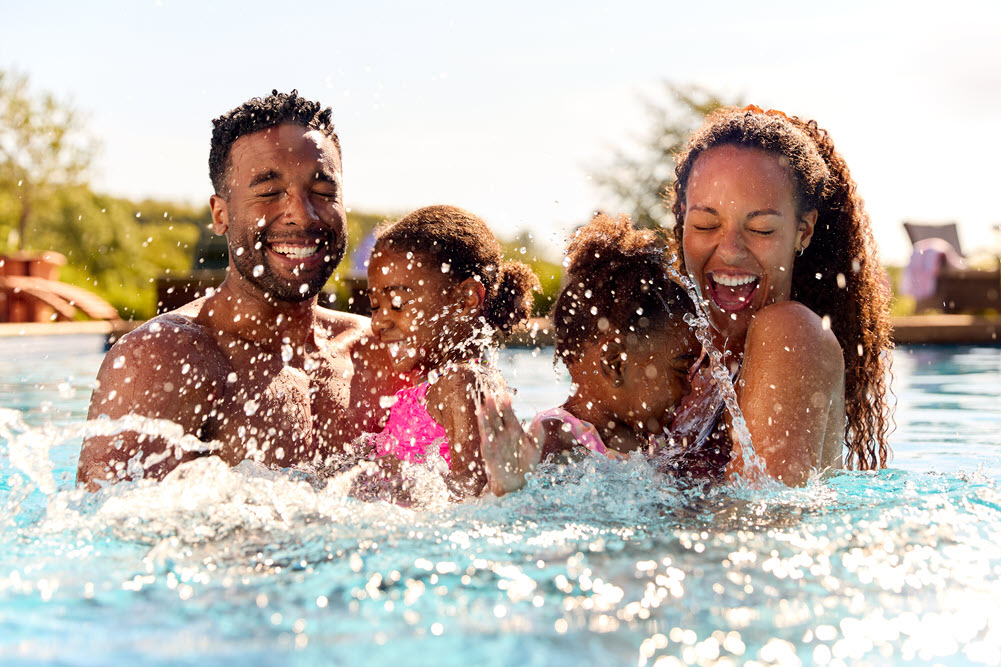
Most parents associate summer fun with the sound of splashing water, laughter, and the smell of sunscreen. Water safety is a critical priority whether your family is relaxing in a backyard pool, playing at the beach, or exploring a local river. Here are some ways you can keep your family safe both at home and in nature.
Water Safety at Home
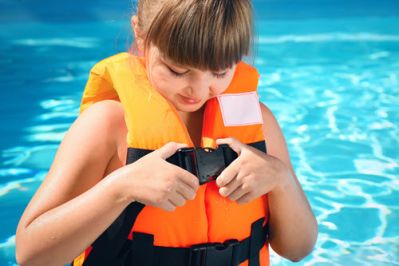
Your home might feel like the safest place in the world, but it contains several water hazards that require close attention. Take care to secure the pool. If you have a backyard pool, install a four-sided isolation fence that is at least four feet tall with self-closing and self-latching gates. Ditch the floaties! Air-filled toys and water wings can bring hours of fun, but make sure not to rely on them to do the job of keeping everyone safe as they can deflate or slip off, giving children and parents a false sense of security. Rely only on properly fitted, U.S. Coast Guard-approved life jackets. Remove pool toys by always clearing the pool deck and water when swimming is over to avoid tempting young children to reach for them.
Water Safety in Rivers and Lakes
Heading out to local rivers, lakes, or beaches introduces unpredictable elements like sudden drop-offs, currents, and waves. Ensure that you designate a ‘Water Watcher’. Have a specific adult watching the swimmers, free from distractions like phones or reading. Rotating this duty every 30 minutes helps to prevent supervision fatigue. Wear life jackets whenever you are boating, paddleboarding, or swimming in a large body of water. Take care that the life jacket is U.S. Coast Guard-approved. Respect natural conditions around you by being aware of strong currents and riptides. When swimming in shallow or unfamiliar water never dive head-first, instead take care to enter feet first.
Be Prepared for Emergencies
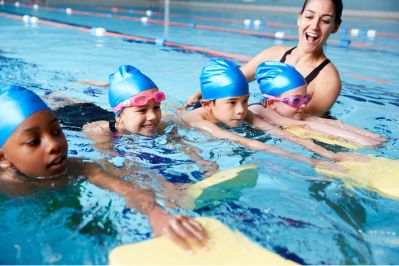
No matter how many precautions you take, emergencies can still happen. The single best way to prepare yourself is by enrolling your children in formal swimming lessons, which dramatically reduces the risk of drowning. Additionally, take a CPR and first-aid course so you know exactly how to respond in a crisis.
The Michigan Model for Health™ provides water safety education lessons in the Pre-K through 12th-grade curriculum. Tucked inside the Safety modules, these age-appropriate lessons equip students with the critical thinking skills needed to stay safe around pools, lakes, and rivers.
Keeping kids safe around water takes a village. Share this article on social media to remind fellow parents and neighbors about these vital safety reminders!
Puzzle Fun for the Family
Help your family reinforce the tips above with these puzzles for all ages.
The Model for Healthy Kids
The Michigan Model for HealthTM is a nationally recognized, research-based comprehensive and sequential Pre-K through 12th grade health education curriculum. The MMH curriculum aims to give school-aged children and youth the knowledge and skills needed to practice and maintain healthy behaviors and lifestyles. It provides age-appropriate lessons addressing the most serious health challenges facing school children and youth.
Contact Us
Email our MMH support team at support@michiganmodelforhealth.org.